

The surgery service our veterinary team provides is a critical component in the field of animal healthcare, ensuring the longevity and quality of life for our beloved pets. From routine procedures like spaying and neutering to emergency operations and complex orthopedic surgeries, our Omaha, NE, veterinary surgeons play a vital role in the diagnosis, treatment, and management of animal health issues.
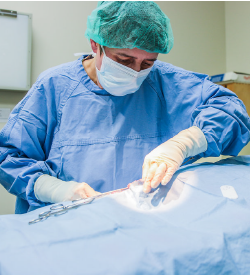
Veterinary surgery encompasses a wide range of procedures that can be classified broadly into two categories: elective surgeries and emergency surgeries. Elective surgeries, such as spaying or neutering, dental extractions, and certain soft tissue operations, are planned and are not immediately life-threatening. In contrast, emergency surgeries are performed in response to acute conditions like gastric torsion, traumatic injuries, or foreign body removal, where immediate intervention is crucial.
Our Omaha, NE, veterinary surgeons are specialized veterinarians who have completed extensive training in surgical techniques, anesthesia, and patient care. They are adept at performing intricate procedures while minimizing the risk of complications. They are also responsible for making critical decisions that can impact the outcome of the surgery and the overall health of your pet.
Proper preparation is crucial for any veterinary surgical procedure. It ensures the safety of your pet and can significantly improve the success rate of the operation.
Post-operative care is a vital part of the recovery process after veterinary surgery. It can influence the speed of recovery, the risk of complications, and the overall comfort of the pet.
We have licensed veterinary technicians who monitor your pet from induction of anesthesia through recovery. During anesthesia, all pets are continuously monitored for heart rate, temperature, oxygen saturation, and respiration rate.
Our anesthetic machines are of the highest quality, and they are inspected regularly. All pets undergoing anesthesia are monitored with pulse oximeter technology.
The following standards are of critical importance to our Prairie Lane Veterinary Hospital team:
Our priority is your pet’s safety during surgery, which is why we invest in high-quality monitoring equipment equipped with the latest technology. This advanced equipment allows us to continuously monitor vital signs such as blood gases, temperature, blood pressure (systolic and diastolic), ECG, and respiration rate throughout the surgical procedure.
Spaying and neutering are surgical procedures that prevent animals from reproducing.
Pros of Spay and Neuter
The benefits of spaying and neutering extend beyond controlling the animal population. These procedures can also lead to healthier, longer lives for pets. Here are some pros:
Soft tissue surgery encompasses a wide range of procedures that do not involve bone. Our Omaha, NE veterinarians perform these surgeries to treat various conditions affecting the ear, nose, throat, skin, cardiovascular system, and more.
Common Soft Tissue Surgeries Include:
A dedicated licensed veterinary technician will monitor your pet from induction of anesthesia through recovery. During anesthesia, all pets are continuously monitored for heart rate, temperature, oxygen saturation, and respiration rate.
Our anesthetic machines are of the highest quality. They have been recently upgraded and inspected. All animals undergoing anesthesia will be monitored with pulse oximeter technology
These qualities are of critical importance to us at Prairie Lane Veterinary Hospital:
Monitoring equipment must be high quality and current with the latest technology to insure your pet’s safety during surgery. Our monitoring equipment measures blood gases, temperature, systolic and diastolic blood pressures, ECG, and respiration rate continuously throughout the surgical procedure.
Gastropexy surgery is a preventive procedure that effectively protects at-risk breeds from gastric dilation volvulus, also known as bloat. This is a serious medical condition with a high fatality rate that can kill in as little as an hour!
If you suspect your pet is experiencing bloat, do not hesitate to seek urgent care immediately. Symptoms include a distended abdomen, restlessness, collapse, and unproductive vomiting.
To prevent the life-threatening consequences of torsion (bloat), we secure the stomach to the abdominal wall. This preventive measure is particularly crucial for large, deep-chested breeds like Great Danes, Dobermans, and German Shepherds. For owners of at-risk breeds, monitoring portion sizes and eating speed is also vital. Our skilled team will guide bloat prevention during your consultation.
Mass removal surgery involves the removal of tumors or growths from an animal’s body. This type of surgery is often necessary when a mass is found to be cancerous or is causing discomfort or impairment to the animal.
Why is Mass Removal Surgery Necessary?
Gastrointestinal procedures in veterinary medicine are critical for diagnosing and treating ailments within an animal’s digestive tract. These procedures can range from non-invasive diagnostics to major surgeries.
Common Gastrointestinal Procedures Include:
The spleen is an organ that plays a role in blood filtration and immune response. Splenectomy, the surgical removal of the spleen, is conducted when there is a rupture, tumor, or other severe spleen-related conditions in animals. Although pets can live without their spleen, the surgery can be complex and requires careful post-operative care to prevent complications.
Orthopedic surgery in veterinary care addresses ailments related to the skeletal system – bones, joints, tendons, and ligaments. These procedures can help animals with injuries or chronic conditions like hip dysplasia or cruciate ligament tears.
Fracture Repairs – One of the most common orthopedic surgeries is fracture repair. Depending on the type and location of the fracture, our vets may use pins, plates, screws, or external fixators to stabilize the bones.
Joint Surgery – Under the skilled hands of Dr. David Eaton, we conduct joint surgeries, including cruciate repairs, to enhance the quality of life for animals enduring joint pain or mobility challenges.
Please call our hospital to learn more about the joint procedures we offer and schedule an appointment with one of our doctors to determine the best procedure option for your pet.
Dental disease is painful and puts pets at risk for further infection in the oral cavity and rest of the body. For this reason, we may recommend oral surgery for pets diagnosed with advanced stages of dental disease. In less severe cases, a routine dental cleaning may be enough to provide relief.
Our skilled Omaha, NE, veterinary team will provide substantial relief if your pet needs oral surgery. We are trained to perform common procedures such as tooth extractions, and foreign object removal. Advanced procedures such as jaw and tooth fractures, oral tumors and cysts, and root canals are also performed.
Finding a veterinary surgeon near you in Omaha is easy with our online direct booking feature. Both new and existing clients seeking care from a pet surgeon may schedule an appointment at our Omaha vet clinic.
Located off of I-680 via W Center Rd. Directly between Cryer Ave and Arbor St on S 120th St.
Phone: 402-333-3847
